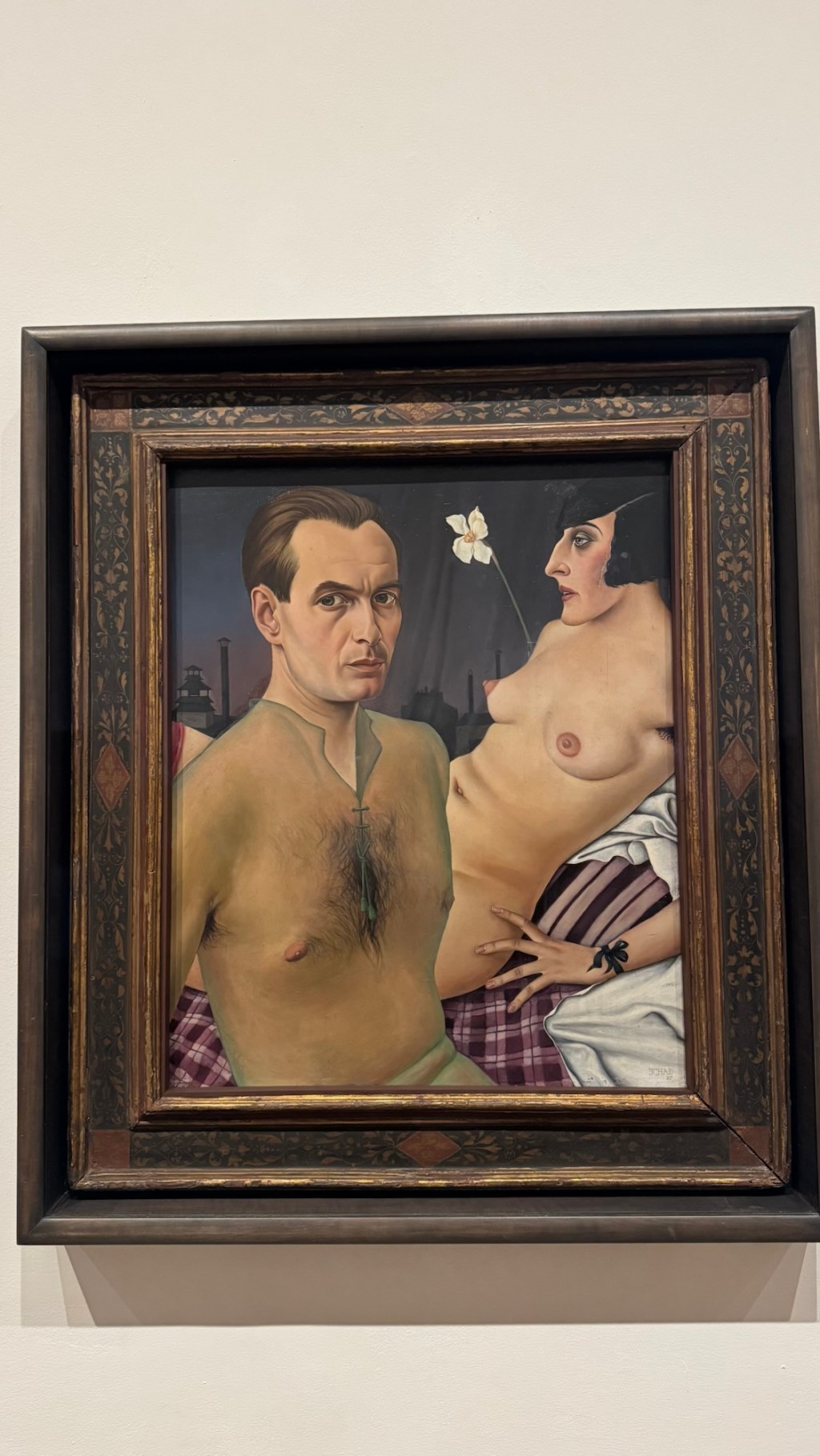
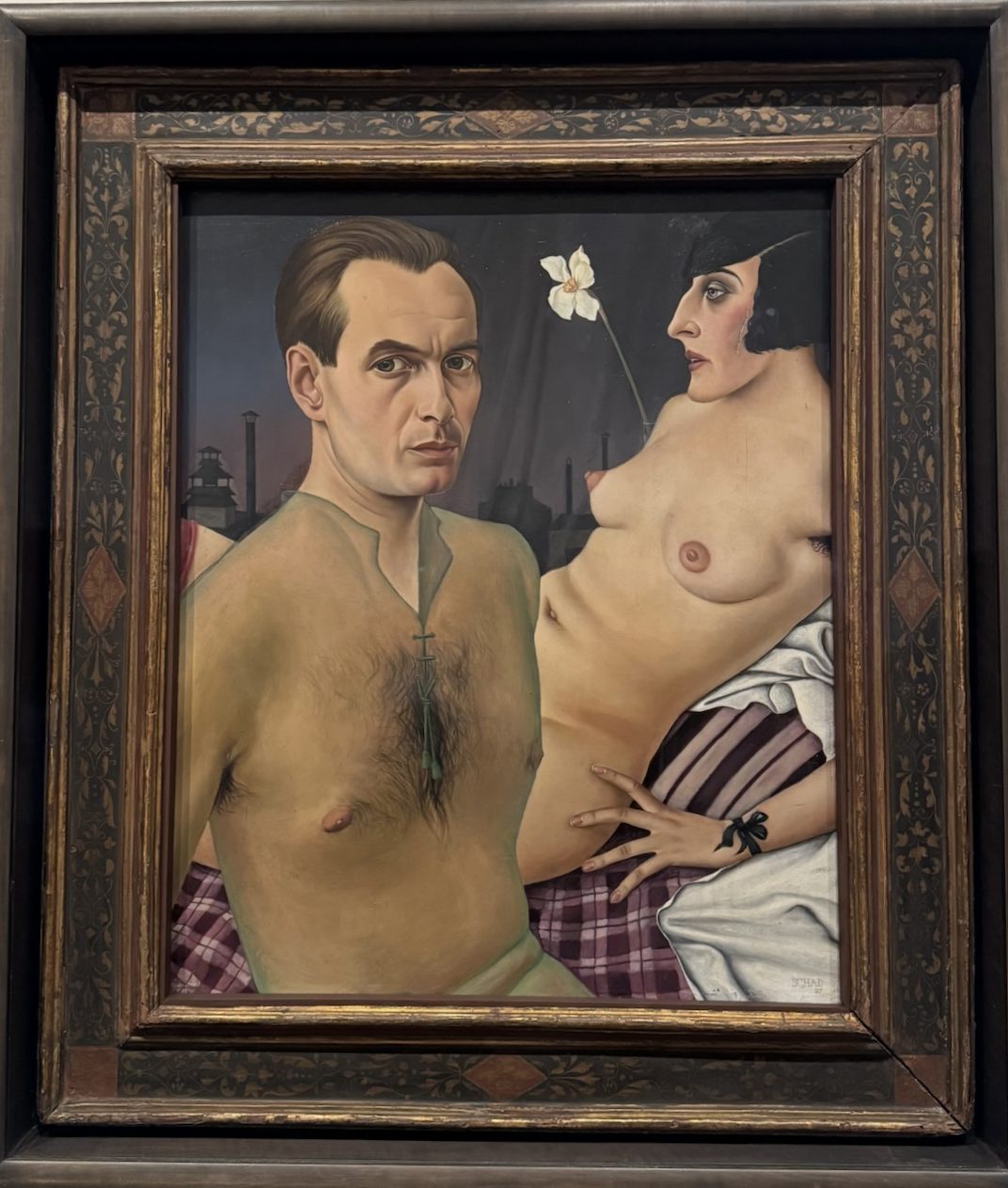
I was at Tate Modern last week, and it was the second time I’d seen this painting: Christian Schad’s Self-Portrait (1927). It wasn’t until this second viewing, however, that I noticed the woman lying behind him has a scar on her face, a sfregio.
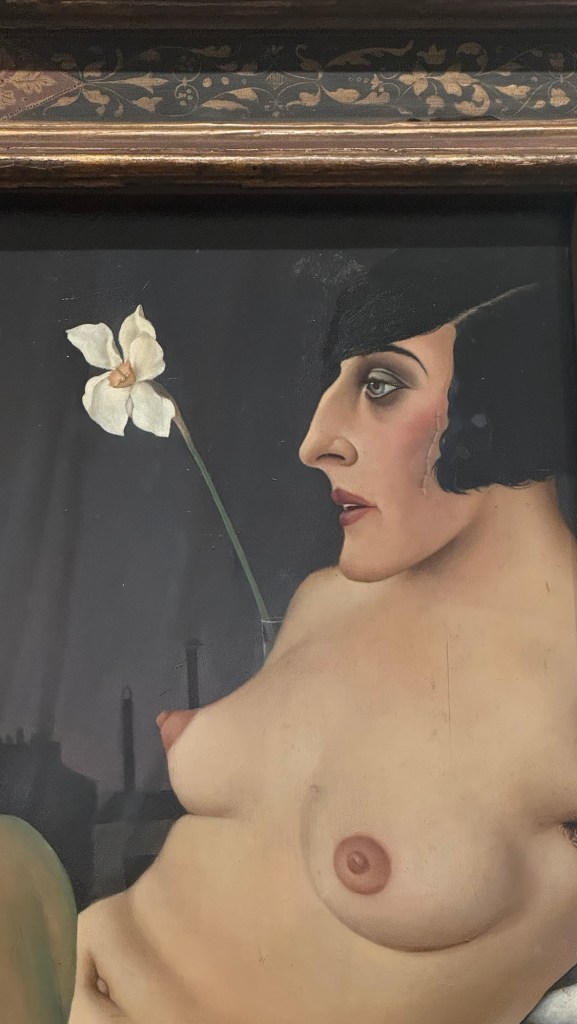
The word means both the slash and the scar it leaves. In early modern Italy, cutting a woman’s face was a way for a man to punish what he took as an insult to his honour, most often suspected infidelity. The scar was a message to everyone who saw her. The men who wanted it done rarely did it themselves, since attacking the face carried heavy penalties. They paid someone else, usually their servants.
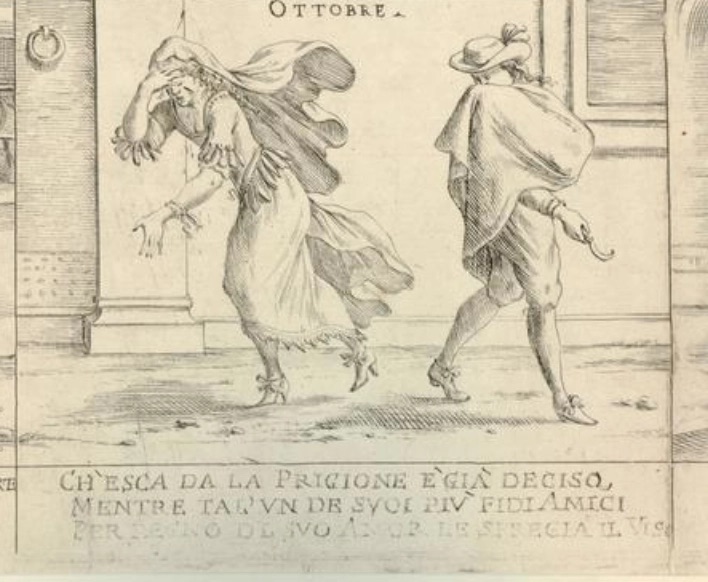
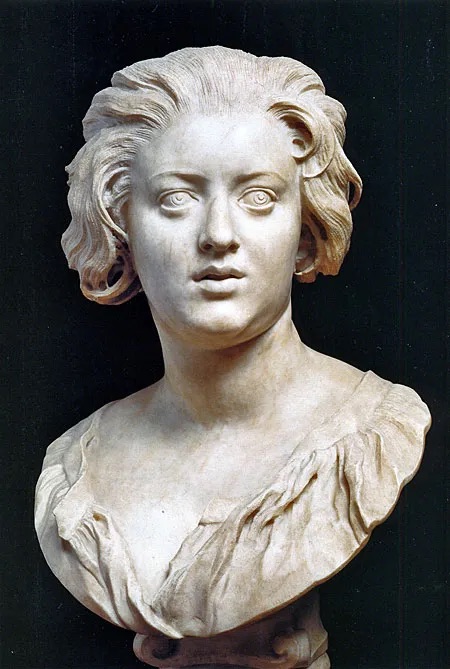
When I got home, I looked into it. Perhaps the most famous case is that of Costanza, Bernini’s lover. The pair had a fiery affair, and only months after he finished her marble bust, Bernini discovered she was also involved with his brother, Luigi. Raging with jealousy, he sent a servant to slash her face with a razor.
The consequences were lopsided. Bernini was reportedly fined 3,000 scudi, but the pope waived it and his career carried on. Costanza was imprisoned for adultery in a home for “wayward” women for four months, and carried a permanent disfigurement for the rest of her life.
As someone obsessed with faces, I couldn’t stop thinking about this. It also made me question love (if that’s even the right word) and its permanence. We romanticise matching tattoos, a partner’s name inked on skin. At my first-ever workplace, a tattoo parlour, we used to say they were curses: whoever got one was bound to break up. Put next to sfregio, the only things they share are pain and permanence.
The difference is consent. A tattoo is a mark two people choose together; a sfregio is a mark one person inflicts to own the other.
